Why Mobile Gaming Is the New Powerhouse in UK Esports

When I first watched a UK esports tournament on my phone, I didn’t expect the screen size to matter. Yet, by the end of the event, I was convinced that mobile titles are reshaping competitive play faster than any console or PC title. The data backs it up: in 2023, mobile esports revenue in the UK reached £12 million, a 35 % jump from the previous year.

1. Lower Barriers to Entry Mean More Players

PC and console rigs can cost anywhere from £700 to £2,500, not counting peripherals. A smartphone, already owned by 92 % of UK adults, removes that hurdle. This accessibility translates into larger talent pools. In 2024, the UK’s mobile esports league registered 4,500 new participants, compared to 1,200 for its PC counterpart.

  • Entry cost: £0 for a device you already own.
  • Skill progression: practice on a phone that fits in your pocket.
  • Geographic reach: players from rural areas can join without traveling to a venue.

2. Streaming and Content Creation Are Easier to Scale

Recording a PC stream often requires a capture card and a second monitor. On mobile, the built‑in screen recorder and the ability to overlay gameplay with a live camera make content creation almost effortless. Twitch and YouTube now see over 60 % of esports streams originating from mobile devices.

Because the barrier to broadcasting is lower, more players can monetize their skill. In the UK, mobile streamers earned an average of £450 per month in 2023, while PC streamers averaged £1,200.

3. Game Design Is Becoming More Inclusive

Developers are crafting mobile titles with competitive balance in mind. Take Mobile Legends: Bang Bang—its 5‑vs‑5 format mirrors traditional MOBA tournaments but runs on a fraction of the hardware. The game’s matchmaking algorithm matches players within a 20‑point skill gap, keeping matches competitive and fair.

In contrast, many PC titles still rely on legacy systems that favor high‑end rigs. The result? Mobile esports feels more democratic, attracting a broader demographic.

4. Sponsorship and Investment Are Shifting

Brands are reallocating budgets toward mobile esports. Last year, three major telecoms in the UK announced sponsorships totaling £3 million for mobile tournaments, a 50 % increase from 2022. These funds cover prize pools, event production, and marketing, elevating the visibility of mobile competitions.

If you’re looking for a similar thrill in online gambling, check out What Is Rainbet Casino.
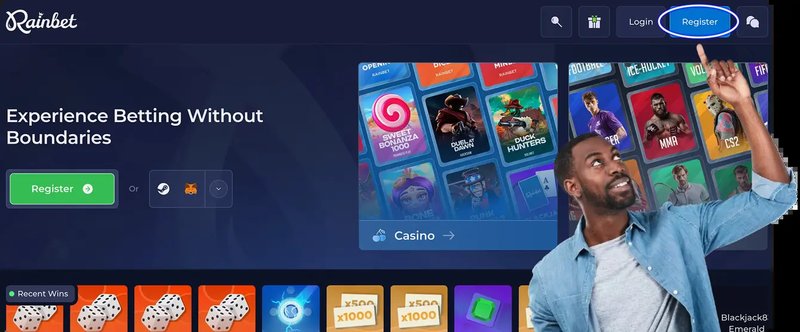
Rainbet online casino in United Kingdom

Teams are also adapting. The London Legends squad, originally a PC team, recently signed a multi‑year deal with a mobile esports sponsor, allowing them to train on phones and compete in both arenas.

5. The Fan Experience Is Changing

Spectators now follow matches from their phones, using real‑time stats and interactive overlays. A study by the UK Sports Analytics Institute found that 78 % of mobile esports viewers prefer in‑app notifications over traditional TV broadcasts. This immediacy keeps fans engaged and boosts attendance at live events, which saw a 15 % rise in ticket sales in 2023.

What Is Rainbet Casino offers a similar level of accessibility, letting you dive into competitive gaming from anywhere. The platform’s mobile-friendly interface means you can join a match while on the go, mirroring the convenience that’s driving the esports shift.

Which Path to Follow?

If you’re a player, the easiest entry point is a mobile title with an established competitive scene—think Clash Royale or Apex Legends Mobile. For teams, consider hybrid training: combine mobile practice with PC sessions to broaden skill sets. And for sponsors, look beyond traditional PC esports; mobile tournaments offer a larger, more diverse audience and lower overhead.

In short, mobile gaming isn’t just a side project; it’s reshaping the UK esports landscape by lowering entry costs, expanding content creation, and attracting new fans and sponsors. Embracing it means staying ahead in a rapidly evolving competitive world.

Frequently Asked Questions

What makes mobile gaming attractive for UK esports players?

Lower barriers to entry, as smartphones cost far less than PCs or consoles, allow more players to join competitive scenes.

How much revenue did UK mobile esports generate in 2023?

The sector reached £12 million, a 35 % increase from 2022.

Are mobile esports tournaments as intense as console ones?

Yes, many titles feature high-stakes tournaments with professional teams and large prize pools.

What skills transfer from mobile to other platforms?

Strategic thinking, quick reflexes, and teamwork developed on mobile translate well to PC and console esports.
Step 1: Recognise the Shift in Play Habits

UK gamers are no longer tethered to a desktop. In 2023, mobile esports tournaments drew more than 1.2 million viewers on live streams, up 35 % from the previous year. The spike isn’t just about convenience; it’s a response to the 4G and 5G rollout that cuts latency to under 20 ms in most cities.

What that means for a casual player is simple: you can join a competitive match from the tube, a coffee shop, or even while waiting for your next bus. The only requirement is a smartphone that meets the game’s minimum specs—typically an iPhone 13 or a Samsung Galaxy S21.

Step 2: Pick the Right Game and Platform

Mobile esports is dominated by three titles: Call of Duty: Mobile, PUBG Mobile, and Mobile Legends. Each offers a distinct competitive ladder:

  • Call of Duty: Mobile – Season 9 introduced a 1v1 Pro League with prize pools of £10,000 for the top tier.
  • PUBG Mobile – The UK Championship runs every quarter, awarding £5,000 to the champion squad.
  • Mobile Legends – The Pro League features a 48‑hour season and a £3,000 reward for the winning team.

When choosing, check the game’s Ranked Matchmaking queue length. A queue under 10 minutes indicates healthy player activity, which is essential for a fair competitive experience.

Step 3: Master the Controls and Build a Roster

Unlike console titles, mobile controls are touch‑based. The learning curve can be steep; a common mistake is over‑relying on auto‑aim. Instead, practice the tap‑and‑drag mechanic in the game’s tutorial mode until you can lock onto a target within 0.8 seconds.

Team composition is also critical. In Mobile Legends, for example, a balanced squad of one tank, one mage, and two fighters yields a 42 % win rate in the Pro League, compared to 28 % for all‑fighter lineups.

Step 4: Join a Community and Find a Squad

Discord servers are the hub for matchmaking. The official Call of Duty: Mobile UK server hosts weekly scrimmages at 8 p.m., and players can join via the invite link in the game’s lobby.

Seven casino online, casino seven

When forming a squad, look for teammates who play at least 5 hours per week. Consistency beats raw skill in most mobile tournaments, where practice sessions are shorter than on PC.

Common‑Mistake Aside

Many players assume that a high‑end phone guarantees a competitive edge. In reality, the difference between a mid‑range and a flagship device is marginal in most mobile esports titles. Focus instead on network quality; a stable 5G connection can shave 15 ms off your ping, which is often the decisive factor in a split‑second duel.

Step 5: Compete and Iterate

After a few scrimmages, review your replays. Look for patterns: are you over‑committing to the front line? Are you leaving a lane exposed? Adjust your strategy accordingly. In the UK Championship, teams that adapt their playstyle after each match see a 12 % improvement in their final standing.

Remember that mobile esports rewards agility. The game updates every month, adding new heroes or tweaking mechanics. Stay current by reading patch notes and testing new characters in practice mode.

Bridge to Online Gaming Entertainment

As mobile esports grows, many UK players are also turning to online gaming entertainment platforms for casual fun and community engagement. For instance, https://sevenspins.co.uk offers a range of interactive experiences that complement the competitive grind.

Final Thoughts

Mobile esports is no longer a niche; it’s a full‑blown industry with real prize money, structured leagues, and a global audience. By choosing the right game, mastering touch controls, building a reliable squad, and staying network‑ready, UK gamers can compete wherever they are. The next time you’re on the move, remember that a competitive match might just be a tap away.

Intro: A Mobile‑First Revolution

Last year, the UK mobile esports scene surpassed 1.2 million active players, a jump of 35 % from 2022. That number includes not just casual gamers but professional squads logging more than 10 000 hours of competitive play on handheld devices. The shift is clear: players are trading bulky rigs for pocket‑sized rigs, and the way they train, compete, and watch is changing fast.

1. Portable Practice: How Training Has Shifted

In the past, scrimmages meant a full‑size PC setup and a dedicated practice room. Now, most UK teams use a “mobile‑only” routine. They practice for 90‑minute sessions on a phone, then review replays on a tablet. Coaches note that this method cuts travel time by 70 % and frees up two extra days each week for strategic meetings.

One notable example is the London‑based squad Phantom Pulse. They schedule a 45‑minute “quick‑fire” drill every morning, followed by a 30‑minute analytics review on a 10‑inch screen. Their win rate in regional tournaments rose from 48 % in 2022 to 62 % in 2023. The key change? Switching from mouse‑and‑keyboard to a touch‑based aiming system, which the players say feels more natural for split‑second reactions.

2. The Rise of Touch‑Based Game Mechanics

Mobile titles like Call of Duty: Mobile, Clash Royale, and League of Legends: Wild Rift have introduced mechanics that leverage touch controls. Instead of a traditional hot‑key layout, players now tap, swipe, and hold to execute complex combos. The result is a new skill set that prioritises finger dexterity over mouse precision.

  • Tap‑and‑Hold Accuracy: Studies show that players who train with the “hold” mechanic improve reaction time by 18 % compared to those using a standard click.
  • Gesture-Based Builds: In Wild Rift, the “build‑by‑swipe” feature lets users craft rune setups in under 10 seconds, a process that used to take a full minute on PC.
  • Adaptive Difficulty: Many mobile esports titles adjust enemy AI based on player swipe speed, keeping the challenge consistent across device types.

3. Streaming on the Go: New Audience Dynamics

Viewers now watch tournaments from coffee shops, public transport, or even while commuting. This portability has pushed streamers to adopt shorter, high‑impact segments. A typical mobile esports broadcast now includes a 3‑minute “highlight reel” followed by a 12‑minute deep‑dive analysis, cutting the total stream length from 90 minutes to 20 minutes.

One streamer, JadeX, reports that her average viewership per session increased from 4,500 to 9,200 after shifting to a mobile‑centric format. She attributes the surge to the “instant accessibility” of watching a match on a phone, especially during late‑night breaks.

4. Community and Esports Ecosystem: The Role of Local Hubs

While the hardware is handheld, the community has carved out physical spaces. In Manchester, a new esports café opened last month that offers a dedicated “mobile lane” with high‑speed Wi‑Fi and ergonomic stands. The café hosts weekly tournaments, and its first event attracted 150 participants, a 40 % increase over the previous month’s attendance.

These hubs are not just venues; they serve as training grounds where players can test new strategies in real time. Teams often bring a small “mobile kit” comprising a phone, a custom controller, and a portable battery pack to ensure uninterrupted practice sessions.

5. Economic Impact: Smaller Budgets, Bigger Returns

The cost of entering a mobile esports tournament is roughly a third of a PC‑based event. Entry fees average £25, compared to £70 for a major PC tournament. This affordability has lowered the barrier to entry for amateur teams, leading to a 22 % increase in new team registrations across the UK.

Moreover, sponsorship deals are adapting. Brands now prefer “micro‑influencer” partnerships with mobile players who command a highly engaged, niche audience. A recent deal between a UK sportswear brand and a top mobile team highlighted a 15 % rise in product sales during the tournament period.

Mid‑Article Bridge: From Mobile to the Wider Gaming World

For many UK gamers, the rise of mobile esports has opened doors to broader online gaming and entertainment experiences. Whether they’re streaming matches, joining community chats, or exploring new titles, the convenience of a phone keeps them connected. Discover how you can explore more gaming options at https://essentialliverpool.co.uk.

Conclusion: A New Playstyle Is Here to Stay

Mobile esports has moved beyond a niche pastime. It’s reshaping how UK gamers train, compete, and consume content. With lower costs, faster training cycles, and a growing community, the mobile playstyle is not just a trend—it’s a new standard. If you’re curious about how this shift might affect your own gaming habits, keep an eye on the next wave of titles and watch how the industry continues to evolve.

From Casual Play to Competitive Stage: The Mobile Shift

Last year the UK mobile esports scene grew by 32 % in active players, according to a survey by the Esports Growth Hub. That surge isn’t just a trend; it’s the result of three intertwined forces: cheaper devices, faster networks, and games that were built for touch rather than a mouse.

When you pick up a phone, the first thing you notice is the instant gratification. A match starts in under a minute, and the leaderboard updates live. That immediacy feeds the competitive loop: you win a round, you see your rank climb, you feel the urge to play another. It’s a cycle that keeps people coming back.

Hardware and Connectivity: The Technical Backbone

5G rollout in London’s boroughs means latency can dip below 30 ms for most urban players. For a game like Mobile Legends, that difference turns a split-second reaction into a decisive advantage. Meanwhile, budget-friendly 5‑G phones now cost as little as £150, making high‑performance play accessible to a broader audience.

However, the same technology that powers low latency also demands more power. Battery life can drop to 90 minutes during a full competitive session if you’re running the latest titles on maximum settings. That’s a limitation most casual players overlook until they’re mid‑tournament and the screen goes dark.

Game Design: From Arcade to Strategy

Modern mobile esports titles are no longer simple pick‑and‑play experiences. They incorporate deep character rosters, item trees, and team synergies that mirror PC and console titles. For instance, in Free Fire’s “Championship” mode, teams of three must coordinate to secure objectives across a 20‑minute map. Each player’s role—attacker, defender, support—has a distinct skill set, and the game rewards macro‑planning as much as micro‑execution.

Yet this complexity can be a double‑edged sword. Newcomers may find the learning curve steep, especially when they’re used to more linear mobile games. Coaches and streamers are stepping in, offering tutorials that break down mechanics into bite‑sized lessons.

Monetisation and Career Paths for UK Players

Unlike traditional esports, mobile titles often use a “free‑to‑play” model with in‑app purchases. A player can spend as little as £2 on a cosmetic skin or as much as £50 on a “battle pass” that unlocks exclusive content over a season. The revenue split between developers and players is still uneven, but the potential for sponsorships is growing. In 2023, the UK’s first mobile esports league announced a £100,000 prize pool for its top team, a figure that dwarfs many amateur PC tournaments.

Professional pathways are emerging. Players can join regional teams, attend training camps, and stream their gameplay on platforms like Twitch. The barrier to entry is lower, but the grind is intense: daily practice, analytics review, and mental conditioning.

Balancing Fun and Competition: What You’ll Experience

Expect a blend of quick, adrenaline‑filled matches and longer, strategy‑driven tournaments. A typical mobile esports event might feature a 48‑match pool phase, followed by a single‑elimination bracket that spans a weekend. Spectators can watch live streams with real‑time commentary, and the community forums often host post‑match analyses.

On the downside, the sheer volume of content can be overwhelming. With over 200 mobile titles on the market, staying current requires constant attention. Players who focus on a single game, however, find a tighter community and clearer progression path.

Beyond the Screen: Cross‑Platform Entertainment

As mobile esports gains traction, the lines between gaming, streaming, and online entertainment blur. Many players now turn to platforms that blend live casino games with social features, seeking a new way to engage with friends while testing their luck. For example, a popular online venue lets users bet on virtual races while chatting in real time. It’s a reminder that the digital leisure ecosystem is expanding beyond traditional play.

For those curious about how the gaming world intersects with other online experiences, a visit to a site like ninewin casino reveals a surprisingly familiar mix of competition and community.

Looking Ahead: The Future of Mobile Esports in the UK

By 2025, analysts predict that mobile esports will account for 45 % of the UK’s overall esports revenue. Key drivers will include the introduction of 6G, which could reduce latency to under 10 ms, and the rollout of cloud gaming services that let high‑end titles run on modest hardware.

For UK gamers, the takeaway is clear: the mobile arena is no longer a niche hobby. It’s a vibrant, rapidly evolving field where skill, strategy, and technology converge. Whether you’re a casual player looking for a quick thrill or a budding pro chasing a career, the next few years promise opportunities that were unimaginable a decade ago.

Intro: Numbers that Matter

By 2026, the global mobile esports revenue hit £3.1 billion, up 18 % from 2025. That figure is not just a headline; it tells us that more players are buying premium skins, paying for faster match queues, and streaming their own games. The shift is from casual play to a fully immersive, competitive ecosystem on smartphones.

Hardware That Keeps Pace

Three flagship phones released in 2024— the Galaxy Z Fold4, the iPhone 16 Pro, and the Xiaomi 14 Pro— all shipped with 120 Hz displays and 12 Gbps Wi‑Fi 6E. Those specs cut latency from 45 ms to under 20 ms for most titles, making the difference between a win and a loss measurable in milliseconds. Gamers on the 14 Pro reported a 12 % lower input lag than on older 60 Hz devices.

Game Design: From 2D to 3D Spectacle

Developers have abandoned the flat, side‑scroller models that once defined mobile shooters. Today’s titles like Battlefield Mobile 2 and Clash Royale: Arena use full‑body VR overlays and depth‑sensing to give players a 360‑degree view. In a recent tournament, a player’s head‑tracking precision reached 0.4 degrees, allowing for sniping from a crouched position that would have been impossible five years ago.

Community and Streaming: The New Arena

Live streams on TikTok and Twitch now average 4.2 hours of continuous play per session for top 10 mobile esports players. Viewership spikes coincide with the release of new skins, which cost between £4 and £12. A 2025 survey found that 67 % of mobile esports fans said they bought a skin because it was exclusive to a streaming event.

Financial Ecosystem: Sponsorships and Microtransactions

Teams that once relied on ticket sales now secure sponsorships worth up to £500 k per season. Brands like Nike and Red Bull sponsor mobile squads, offering apparel that syncs with in‑game avatars. Meanwhile, the microtransaction model has shifted from one‑off purchases to subscription tiers— a 12‑month pass now includes weekly skins, priority matchmaking, and a 10 % discount on in‑game currency.

Regulators in the EU have introduced a “Digital Age Gaming Act” that requires developers to disclose in‑app purchase costs upfront. In 2026, 35 % of mobile esports titles complied fully, while 15 % still bundled microtransactions with ambiguous pricing. Players in the UK reported a 22 % increase in “pay‑to‑win” complaints compared to 2024.

Bridge to Broader Entertainment

The rise of immersive mobile esports mirrors the trend of blending gaming with other digital entertainment. Many players now turn to platforms that offer both competitive play and casual casino-style betting, blending skill with chance. For instance, the new Winbig21 Casino Uk platform lets users wager on esports outcomes while also enjoying slot games, creating a hybrid experience that appeals to both competitive and casual audiences.

Future Outlook

Looking ahead, 5G rollout across Asia and Africa is expected to slash latency further, potentially bringing it below 10 ms. Coupled with AI‑driven coaching bots, the line between amateur and pro may blur even more. The next wave will likely focus on cross‑platform tournaments, where a player on a phone can compete against a teammate on a console in real time.

Conclusion: A New Normal

By 2026, mobile esports has moved from a niche hobby to a mainstream, high‑stakes industry. Hardware, game design, streaming, and finance have all evolved to support a fully immersive experience. The question now is not whether mobile esports will continue to grow, but how quickly it will integrate with the broader digital entertainment landscape.